
Cruise incentive programs are having a moment and for good reason. They offer something traditional land-based programs often can’t: a seamless mix of experience, convenience, and built-in wow factor.
But not all cruises are created equal. The difference between a good program and a truly motivating one comes down to choosing the right ship, the right experience, and the right fit for your audience.
Here’s how to get it right.
Why Cruises Work for Incentive Travel
Cruises solve a lot of challenges planners face, often in one move.
You get a controlled environment, predictable costs, and a wide range of built-in experiences. Think of it like an all-inclusive resort that moves with you. No daily unpacking, no complicated transfers, and no need to source multiple venues.
From a budget standpoint, cruises can be surprisingly cost-effective. Food and beverage, entertainment, meeting space, and even AV, are often included, which means fewer line items and fewer surprises.
From a guest perspective, it’s just as compelling. Participants can explore new destinations each day or stay onboard the ship and enjoy everything from spa time to live entertainment. That flexibility matters – especially as travelers place more value on free time and choice.
Understanding Cruise Line Tiers
One of the biggest decisions you’ll make is choosing the right tier of cruise for your group. This shapes everything from the onboard experience to how your audience perceives the reward.
Contemporary
These are large, resort-style ships with high energy and plenty to do. Think multiple dining options, large-scale entertainment ( “Broadway at Sea”), and activities for every type of traveler.
Best for:
- Broad audiences
- High-energy groups
- Programs focused on volume and value
Premium
A step up in both experience and intimacy. Ships are smaller, service feels more personal, and the atmosphere is more relaxed. Premium cruise lines also include river cruises, and can often be compared to boutique hotels.
Best for:
- Small to mid-sized groups
- Mixed demographics
- A balance between experience and cost
Luxury
Now you’re in a more elevated space. Suites, high-end dining, and more inclusions are standard. Service is a clear differentiator here. Some river cruises can also fall into the Luxury category.
Best for:
- Executive groups
- Top performers
- Brands that want a high-touch experience
Ultra-Luxury
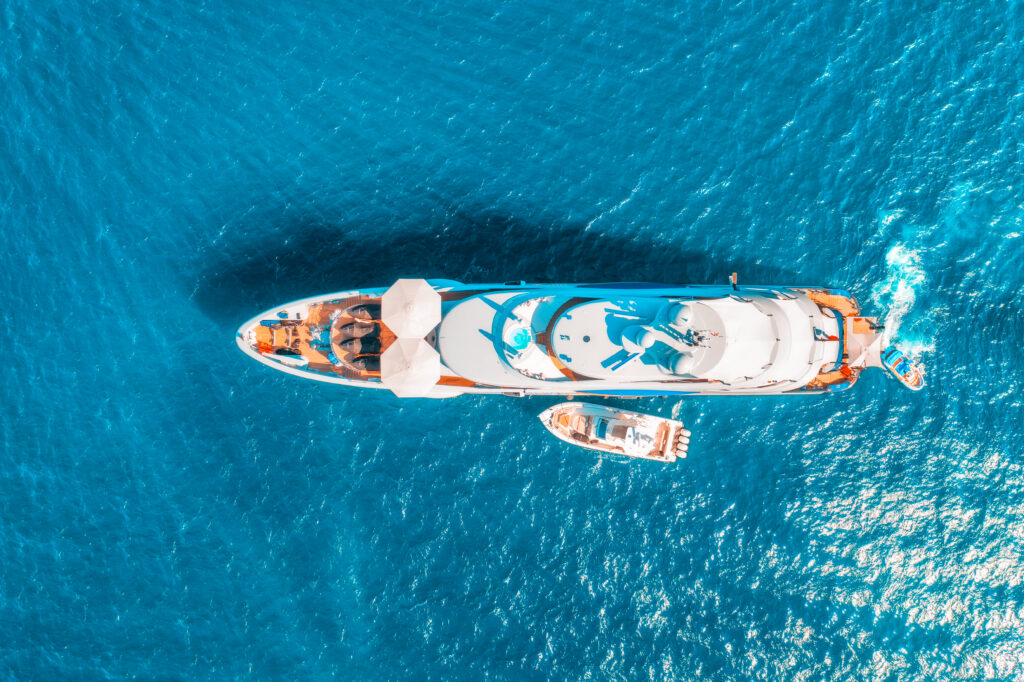
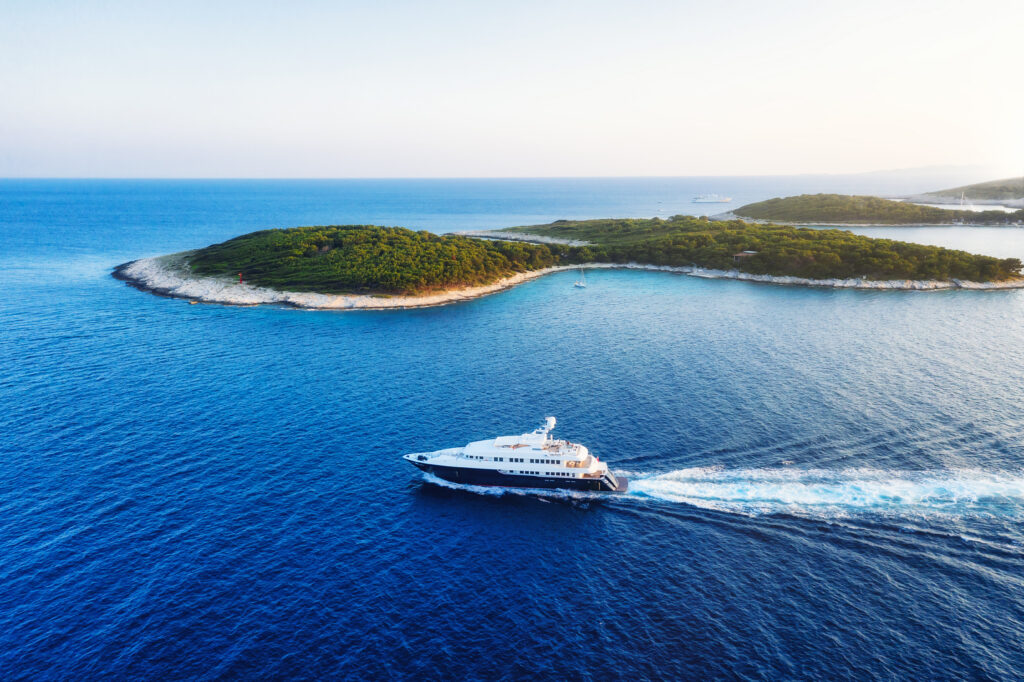
Introducing cruising’s newest – and hottest – tier. This is where exclusivity takes center stage. Smaller ships, unique itineraries, and a highly curated experience define this category, especially as high-end yachts enter the market.
Best for:
- VIP programs
- C-suite audiences
- Intimate group sizes
- Once-in-a-lifetime recognition trips
As you move up tiers, the biggest shift is in service, inclusions, and space. The higher the tier, the more lux and personalized the experience becomes.
Match the Cruise to Your Audience
The best cruise isn’t the most expensive one. It’s the one that fits your people.
Start with these key factors:
- Demographics
Age, travel experience, and expectations matter. A younger group may want high-energy ships with lots of amenities. A more seasoned group may value space, service, and quieter environments.
- Corporate Culture
Are you rewarding a sales team that thrives on competition and energy? Or hosting a leadership group that values exclusivity and connection?
Your culture should guide your choice.
- Incentive Level
Top earners and executives often expect a more elevated experience. That doesn’t always mean ultra-luxury, but it does mean thoughtful upgrades and attention to detail.
- Destination Appeal
One of the biggest advantages of cruising is variety. Guests can wake up somewhere new each day, which adds a sense of discovery without adding complexity.
- Budget Reality
Cruises offer value at every tier. The key is understanding what’s included and aligning that with your goals. Sometimes a premium cruise with fewer add-ons delivers more impact than a lower-tier option with lots of extras.
When to Consider a Full Ship Charter
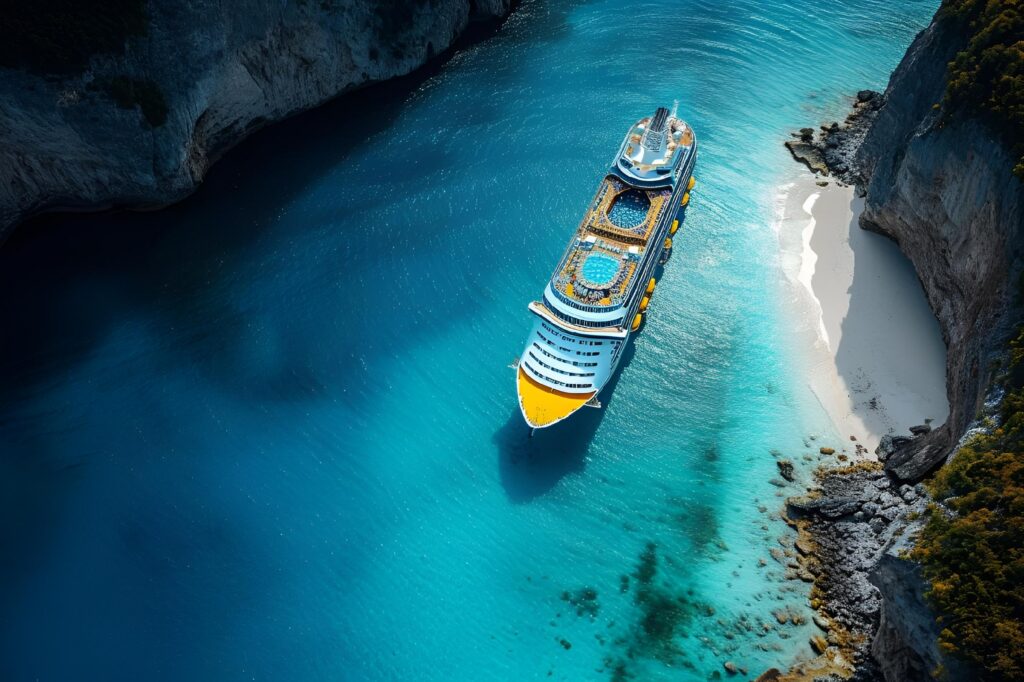
Chartering a cruise ship isn’t just for massive programs. It can start to make sense at around 50 cabins and scale up from there.
So when is it the right move?
- You want full brand immersion
With a charter, the ship becomes your canvas. From signage to programming, everything reflects your brand.
- You need flexibility
Dining times, entertainment, itineraries, even dress codes can be customized.
- You value privacy
Your group is the only group onboard. That creates a more connected, exclusive experience.
- You’re planning a high-impact program
Charters work especially well for major milestones, top-tier rewards, or highly strategic audiences.
As Karen Devine, CEO & Founder of 3D Cruise Partners, puts it – “‘Short of painting the ship – what do you want to do? Creativity and customization abound on charter!” In short, if you want complete control and a truly one-of-a-kind experience, a charter delivers.
How to Create a Custom Experience Without a Charter
Not every program needs a full ship charter to feel special. There are plenty of ways to create exclusivity within a shared sailing.
Here’s what works well:
- Private venue buyouts for receptions or events
- Custom shore excursions tailored to your group
- Branded welcome gifts and in-cabin experiences
- VIP sections or reserved dining areas
- Themed events layered onto existing ship experiences
Some groups go even further with creative activations like private shows, team-building takeovers, or curated culinary experiences.
The key is balance. Branding should feel intentional, not overwhelming. Guests should feel recognized, not marketed to.
Common Misconceptions & FAQs About Cruise Incentives
If you’re new to cruise programs, you’re not alone. Many planners start with a few concerns. We turned to cruising expert Karen Devine, for help:
- Q: Will guests feel trapped on board?
A: So many cruise options are in port every single day—choosing the right itinerary is paramount to an incentive program’s success. And, another reason why it is so important to know your audience!
- Q: How do we handle attendees who are worried about getting sea sick?
A: No matter how much cruise lines will tell you they have state of the art stabilizers, etc. – if people are prone to any kind of motion, then just like they manage that on land, they can manage that on a ship. Speaking for personal experience (and look what I do for a living!), I have successfully managed motion issues at sea for over 25 years. My personal preference is non-drowsy Dramamine at Noon every day; many people like a patch, or wristband instead. The point is, there are always ways to manage motion ‘issues’… and it’s also true that ships are equipped with incredible stabilization systems to mitigate motion.
- Q: Won’t attendees get bored on a cruise?
A: There are so many options to do on board, and off the ship—highlighting all that is available when presenting a cruise is paramount to its success. Also, a recent IRF study showed that 75% of surveyed guests advised they would go on a cruise “no matter where in the world it was going”! That speaks to the interest of the actual winners/participants interest in cruise!
- Q: Cruises are too expensive.
A: Ships are just like hotels – there are many varieties and levels of cruise ships in different price ranges. And this is where it’s important to partner with an expert – using a third-party agency to plan your incentive cruise can help you narrow options, negotiate rates, and research available experiences.
In reality, modern cruises offer daily port stops, a wide range of onboard experiences, and options across every price point. The bigger challenge isn’t whether a cruise works, it’s choosing the right one.
Key Tips for Incentive Planners
If you’re considering a cruise incentive program, a few practical steps can make all the difference:
- Start early
Cruise inventory, especially for groups, fills quickly. Early planning gives you better options and better pricing.
- Work with experts
Cruise options can feel overwhelming. A knowledgeable partner can quickly narrow the field and guide you to the best fit.
- Focus on alignment
The most successful programs align the cruise experience with audience expectations and business goals.
- Be clear on priorities
Know what matters most. Is it destination, luxury level, or budget? That clarity will guide every decision.
The Bottom Line
Cruises offer one of the most flexible and impactful formats for incentive travel. But the real value comes from choosing the right experience for the right audience.
When you get that alignment right, the result is more than a trip. It’s a reward that feels meaningful, memorable, and worth earning.
We believe great programs start with understanding your people.
Let us help you design an experience that not only motivates performance but leaves a lasting impression.